
How to Make Money Online: 15 real ways that actually work in 2026.
Most advice on this topic is written by people who have never built a real online income themselves. This is different. I've been building websites and learning affiliate marketing since 2012, working officially in SEO and digital marketing since 2017, and earning 100% of my income online since 2020 — and these are the 15 paths I'd actually recommend if I were starting again today.
How to actually make money online — from someone making R160K/month
This video is the summary of this guide. I make more than R160,000 a month online from Cape Town, and I walk through the business models that actually work — no hype, no "copy and paste this side hustle." Prefer to watch on YouTube? Open the video ↗
- Why most online money advice is misleading
- The business models that actually work: websites, SEO, affiliate marketing, consulting, digital products, email lists and content
- How I use websites and digital assets to generate income
- Why traffic, funnels and offers matter more than "the right side hustle"
- How beginners — including South Africans earning in dollars — should think about online income
What is the best way to make money online?
The best way to make money online is to promote valuable offers through a traffic channel you understand. For most beginners, that means affiliate marketing powered by SEO, YouTube, TikTok, email or paid ads. You don't create the product, hold stock or handle support — you connect the right audience with the right offer and earn a commission when they buy.
- Learn a traffic skill, then point it at offers. Traffic — not the side hustle — is what makes money online.
- Affiliate marketing + SEO websites is my #1 path: low startup cost ($60–$150/year) and it builds an asset that keeps earning.
- Fastest to first income: freelancing, remote work and clipping (weeks). Slowest but most durable: websites and YouTube (6–12 months).
- Paid media scales fastest once an offer is proven, but needs $500–$2,000 in test budget.
- You can earn in dollars from anywhere — including South Africa — by targeting global audiences and international affiliate programmes.
I'm not writing this as someone who researched online side hustles. I'm writing it as someone who has earned all of his income online for years through websites, SEO, consulting, and affiliate marketing.
My online journey started back in 2012, when I built my first website and began learning affiliate marketing while still at university. I've worked in SEO and digital marketing officially since 2017. And since 2020, I've made 100% of my income fully online — generating more than $1.4 million in that time. I don't count what I made before 2020, because 2020 is when I went all-in and never looked back.
In that period, I've promoted affiliate offers paying as little as $4 per sale and still made over $4,500 from them. I've run mid-tier offers paying $40 to $109 per conversion and generated around $9,000 per month consistently. And I've promoted higher-ticket offers paying $600 to $1,200 per sale, generating over $60,000 from a single campaign multiple times over the last four years.
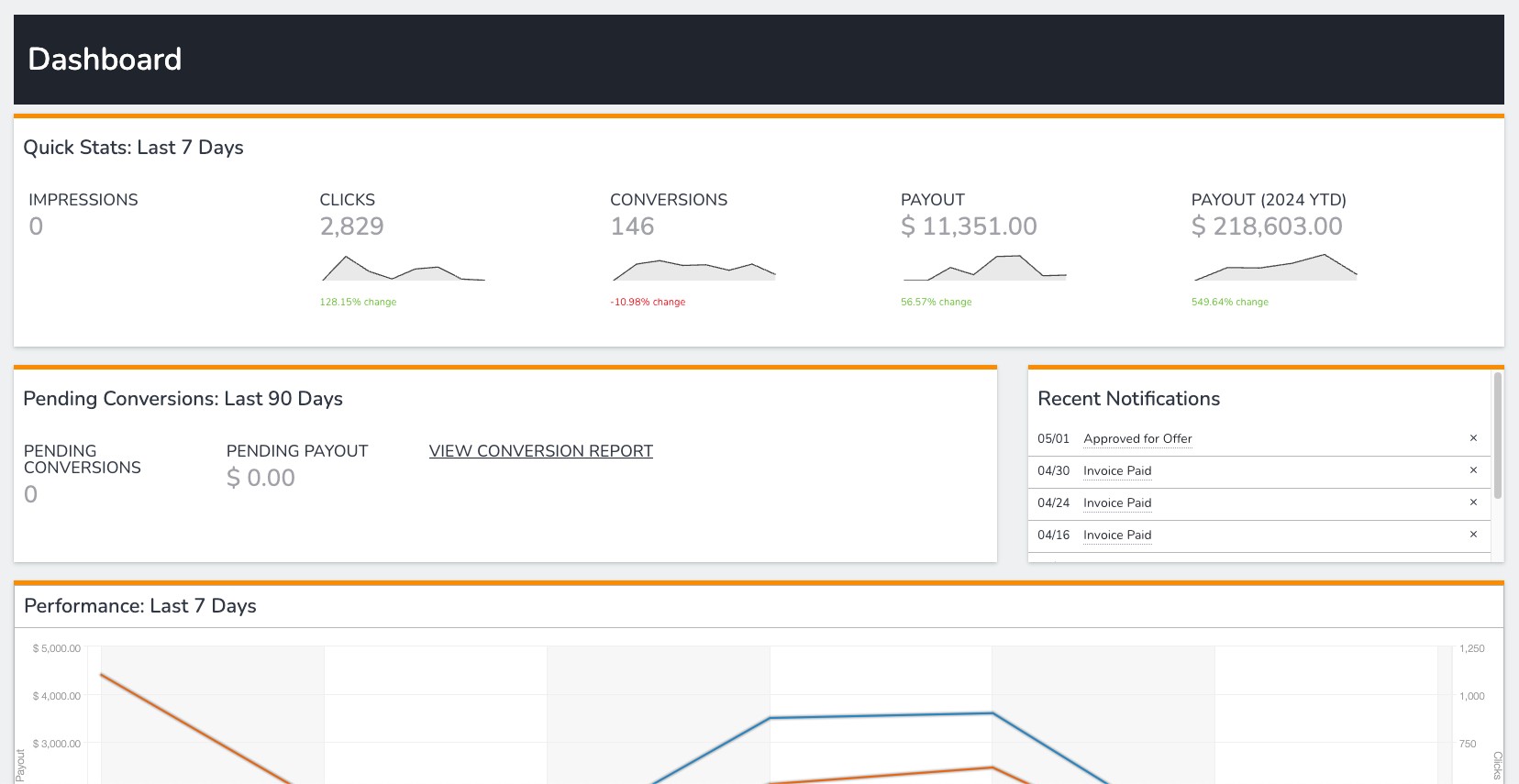
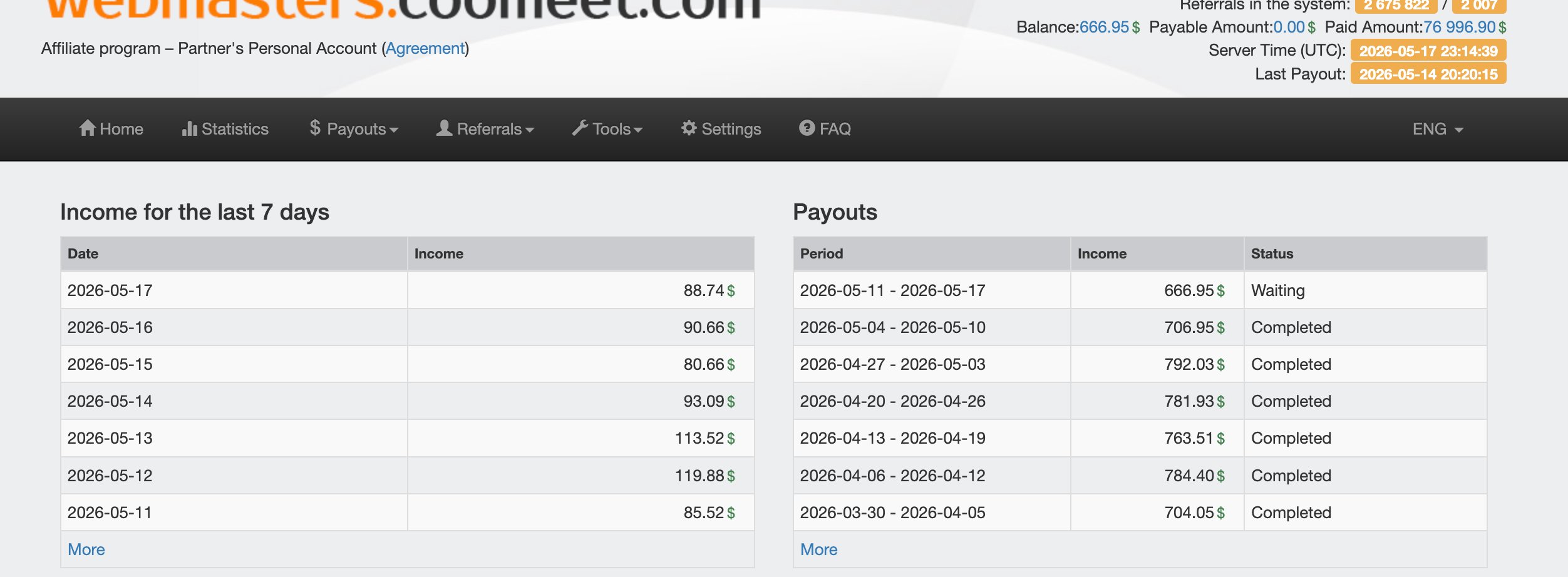
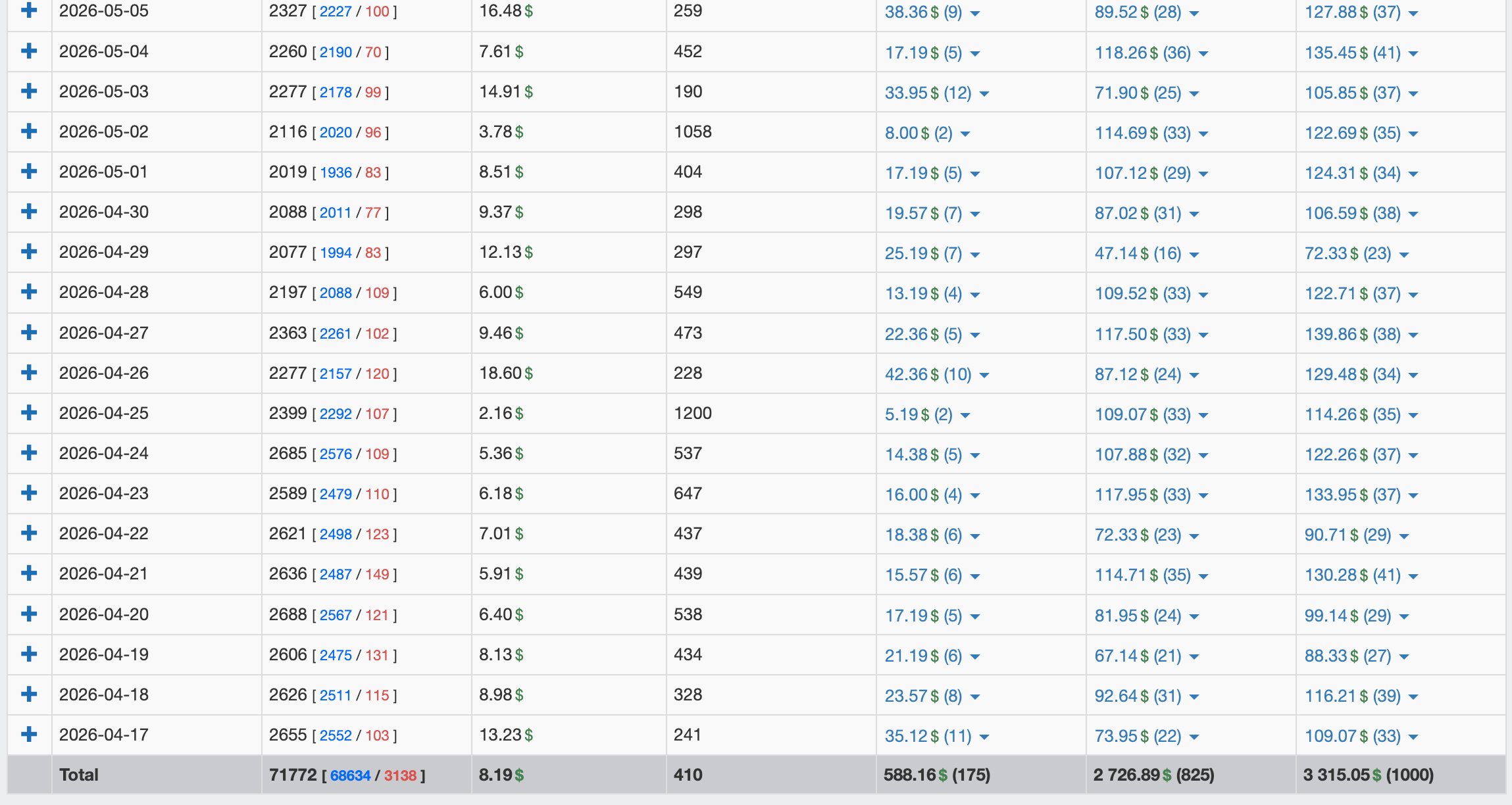
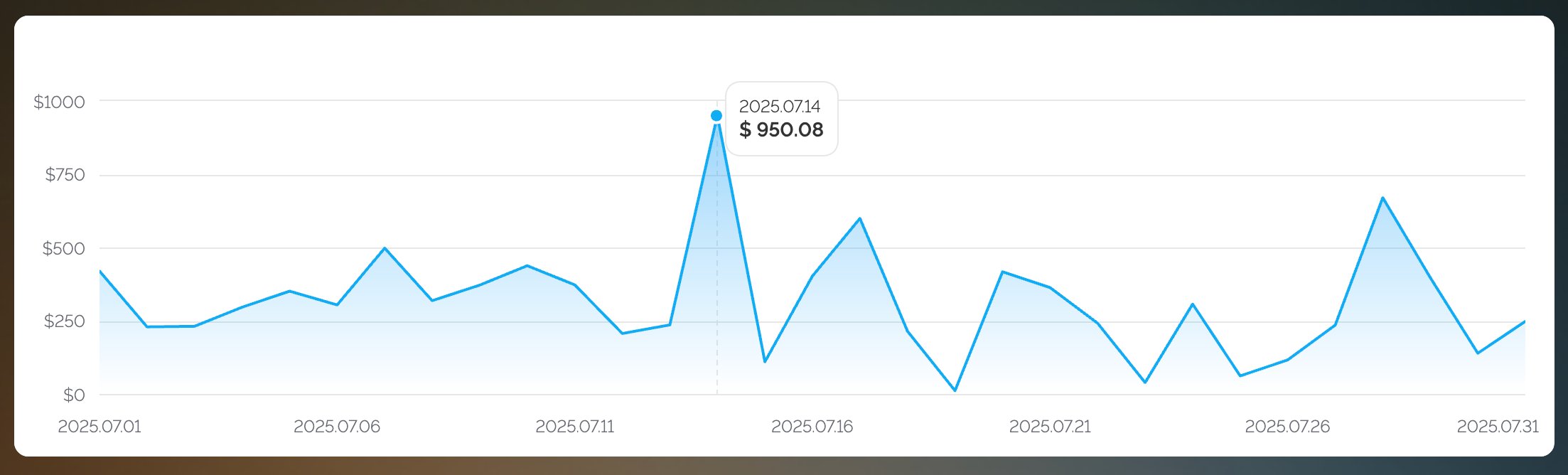
Here's what those affiliate numbers actually look like inside the dashboards
I know "I made $1.4 million online" sounds like every fake guru on the internet. So instead of asking you to take my word for it, here are real screenshots straight from the affiliate dashboards I work in. Daily income, weekly payouts, conversion rates, EPC — the actual figures behind the headline numbers.
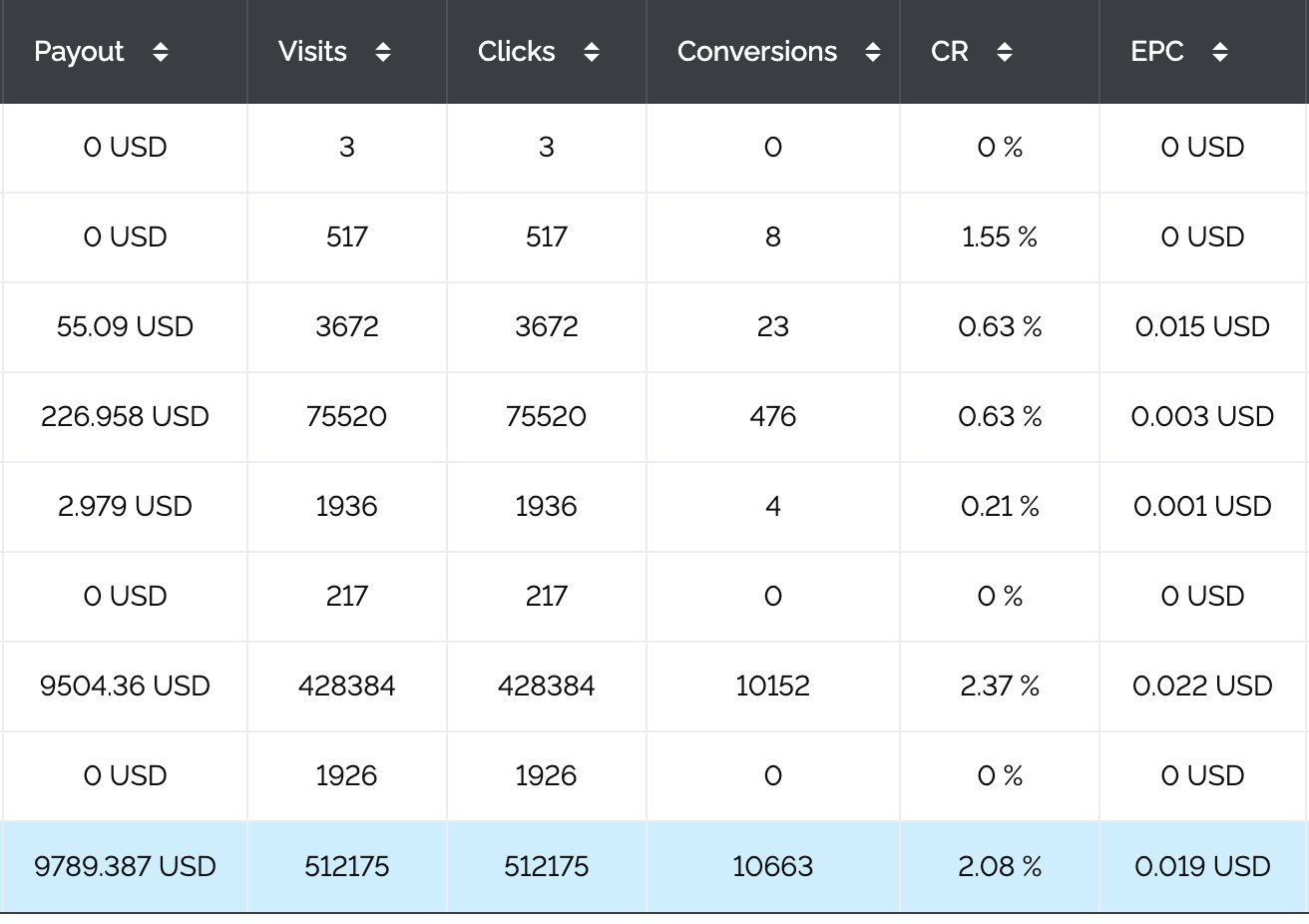
So when people ask me what the best way to make money online is, my answer is simple: the best way to make money online is to promote valuable offers through a traffic channel you understand.
For me, that traffic channel is SEO and affiliate websites. For you, it could be YouTube, TikTok, Instagram, LinkedIn, email, paid ads, or short-form clipping. The principle is the same: learn how to get attention, send that attention to the right offer, and earn when people buy, sign up, or take action.
All 15 ways to make money online, compared at a glance
Here's how every method stacks up on startup cost, how quickly it can pay, and whether you're trading time for money or building an asset that keeps earning. Click any method to jump to the full breakdown.
| # | Method | Startup cost | Speed to income | Income type |
|---|---|---|---|---|
| 1 | Affiliate marketing | Low | Slow–medium | Asset (semi-passive) |
| 2 | SEO websites | Low ($60–$150/yr) | Slow (6–18 months) | Asset, sellable |
| 3 | Paid media | High ($500–$2,000 tests) | Fast (30–90 days) | Active, scalable |
| 4 | Email list monetisation | Low | Medium | Asset |
| 5 | AI-powered businesses | Low | Fast (30–90 days) | Active (services) |
| 6 | YouTube | Low | Slow (6–12 months) | Asset |
| 7 | Clipping | Very low | Fast (weeks) | Active |
| 8 | Social media & content | Very low | Medium–slow | Audience asset |
| 9 | Digital products | Low | Medium (needs traffic) | Asset |
| 10 | Freelancing | Very low | Fast (weeks) | Active |
| 11 | Remote work | Very low | Fast (weeks) | Active (salary) |
| 12 | Dropshipping & ecommerce | Medium–high | Medium | Active |
| 13 | Marketplaces | Medium (stock) | Medium | Active |
| 14 | Teaching English online | Low (TEFL optional) | Fast | Active (hourly) |
| 15 | Digital skill | Low | Medium | Career foundation |
Affiliate Marketing
Affiliate marketing is my number one recommendation because it's the model I know best and the one that has made me the most money. You promote another company's product or service, and you earn a commission when someone buys, signs up, deposits, subscribes, or becomes a lead.
The reason it's so powerful: you don't create your own product, manage stock, handle support, or process orders. Your job is to connect the right audience with the right offer. That's it.
Why affiliate marketing works so well
Once you know how to generate traffic, you can test different offers, niches, and commission models without having to build every product yourself. You can promote software, financial products, online tools, education, ecommerce, services, subscriptions, lead-gen offers — almost anything.
The hard part isn't signing up for affiliate programmes. The hard part is learning how to generate traffic consistently. That's why I prefer building websites. As an SEO specialist, I create content that ranks on Google, attracts people searching for specific solutions, and sends them to offers that solve their problems.
Stop thinking of yourself as someone who chases side hustles. Start thinking of yourself as someone who builds a traffic skill and points it at offers. That single shift changes everything.
Building SEO Websites
Building websites is closely related to affiliate marketing, but it deserves its own section because the website itself becomes a valuable online asset. A website can earn through affiliate marketing, display ads, lead generation, your own services, your own digital products, or by being sold later as an asset.
My first real experience with the power of websites came in 2012 while I was studying at university. I started a fitness blog. Within a year, that blog grew to around 100,000 monthly page views and started earning around $120 to $180 per month. That might not sound like a fortune, but it changed how I saw the internet.
It showed me that a website could attract strangers from Google and turn that attention into money. That lesson eventually led me into digital marketing, SEO, consulting, and affiliate marketing — and years later, into earning my entire income online.
Unlike social posts that disappear in hours, SEO content keeps bringing traffic for months or even years if it ranks well. A good article works while you sleep. A strong website becomes an income-generating machine. But it takes time, skill, and patience.
Paid Media for Affiliate Offers & Digital Products
While SEO is my main traffic channel, paid media is the fastest way to scale once you know which offers convert. Instead of waiting 6 to 12 months for content to rank on Google, you buy targeted traffic from Facebook, Google, TikTok, YouTube, native ad networks, or Reddit — and send that traffic straight to an affiliate offer, your own digital product, or a landing page.
The math is brutally simple. If it costs you $50 in ads to make $150 in commissions, you scale. If it doesn't work, you kill the campaign and try the next angle. Once you find a winning combination of ad creative, offer, and audience, you can scale it from $10/day to $1,000/day in a matter of weeks.
The trade-off: this is the highest-skill, highest-risk path on this list. You can burn $5,000 in a week learning what doesn't work. But the upside is real — most of the people I know earning $50,000+ per month from affiliate marketing get there through paid traffic, not SEO.
Many affiliate programmes ban paid traffic without prior approval — Facebook, Google, or branded search in particular. Always read the affiliate terms before you spend a cent. Getting your affiliate account terminated mid-campaign is one of the fastest ways to lose money in this game.
Email List Monetisation
An email list is one of the most valuable assets you can build online. Unlike social media followers, you actually own the relationship. Algorithm changes don't affect it. You email when you want, about what you want, to people who said yes to hearing from you.
Email lists make money in several overlapping ways: affiliate promotions (you recommend products to your list), sponsorships (companies pay to be featured in your newsletter), your own digital products (courses, memberships, ebooks), and lead generation (selling qualified leads to other businesses).
Newsletters on Beehiiv and Substack have become real businesses. Niche newsletters with 5,000 to 20,000 engaged subscribers regularly earn $5,000 to $50,000+ per month from sponsors and affiliate offers alone — without ever launching a product.
A list of 1,000 engaged subscribers in a profitable niche is often worth more than 100,000 followers on a platform you don't control. The metric that matters isn't list size — it's open rate, click rate, and revenue per subscriber per month.
AI-Powered Online Businesses
AI has created an entire category of online businesses that didn't exist three years ago. Most companies don't know how to use AI properly, and they'll happily pay people who do.
The real business models in this space include:
- AI automation services — building n8n, Make, or Zapier workflows that save businesses hours per week (lead enrichment, CRM updates, content production pipelines).
- AI content systems — setting up production workflows using ChatGPT, Claude, and Midjourney so businesses can publish 10x more content at the same quality.
- AI consulting — helping business owners identify where AI can replace manual processes and build a roadmap for implementation.
- Selling AI productivity setups — productised offers like custom GPTs, prompt libraries, agent setups, or Notion + AI templates.
- Done-for-you AI social media — automated content creation, scheduling, and analytics for creators and small businesses.
The advantage of this category is that the market is wide open. Even basic competence with AI tools puts you ahead of 90% of small and medium businesses. Many people earning $5,000 to $20,000 per month with AI services started with skills they learned in a weekend.
The opportunity isn't building AI models. It's connecting existing AI tools to real business problems most owners don't know exist yet. You don't need to be a developer — you need to be a translator between AI and revenue.
YouTube
YouTube is one of the best long-term online income opportunities, but it is not quick money. You can earn through ads, affiliate links, sponsorships, digital products, courses, consulting, and community building.
The biggest mistake beginners make is thinking YouTube is only about going viral. In reality, many successful channels are built around evergreen topics — tutorials, reviews, comparisons, education, finance, tech, fitness, beauty, gaming, business, personal development. The video at the top of this guide is a good example: it's a search-driven video that pairs with this article.
↑ Back to contentsClipping (Whop, Shorts, TikTok, Reels)
Clipping is one of the newest and fastest-growing ways to make money online — and it's one of the lowest-barrier opportunities on this list. It's exactly what it sounds like: you take long-form content from a creator (a podcast, livestream, or YouTube video) and cut it into short clips for TikTok, Instagram Reels, and YouTube Shorts.
Platforms like Whop Clipping pay you per 1,000 views generated by the clips you post. Rates vary by creator program, but typical payouts range from $0.50 to $5 per 1,000 views. High-performing clippers regularly earn $1,000 to $10,000+ per month if they pick the right creators and learn what goes viral.
You don't need a face, a voice, or an existing audience. You need a phone, basic editing software (CapCut works fine), and an eye for the 3-second moments that grab attention.
The best clippers aren't the best editors — they're the best at spotting which 30 seconds of a 3-hour podcast will hit. Spend more time studying viral clips in your niche than learning advanced editing tricks.
Social Media & Content Creation
Social media can make money, but not always in the way people think. You don't need millions of followers. A smaller audience can make money if it trusts you and if your content attracts the right people.
You can earn through brand deals, affiliate marketing, digital products, coaching, paid communities, sponsored posts, or selling your own services. TikTok, Instagram, Facebook, X, LinkedIn, and YouTube can all work — depending on your niche.
↑ Back to contentsSelling Digital Products
Digital products are products you create once and sell repeatedly. Ebooks, templates, spreadsheets, Notion systems, Canva templates, design assets, study guides, meal plans, workout plans, courses, paid guides, checklists, custom GPTs, prompt libraries.
The benefit: no physical stock. The challenge: you still need an audience or traffic source. That's why digital products work best when combined with SEO, YouTube, TikTok, email marketing, or paid ads.
↑ Back to contentsFreelancing
Freelancing is one of the fastest ways to make money online if you already have a skill. You can freelance as a writer, designer, developer, SEO specialist, video editor, social media manager, virtual assistant, copywriter, paid ads specialist, email marketer, bookkeeper, or AI consultant.
The advantage of freelancing is that you don't need a big audience to start. You need a skill people will pay for and a way to reach them. Fiverr and Upwork can help, but you can also get clients through LinkedIn, cold email, referrals, Facebook groups, and your own website.
"I help SaaS companies rank higher on Google" is far stronger than "I do digital marketing." Specific positioning closes clients. Generic positioning gets ignored.
Remote Work
Remote work is another realistic way to earn online, especially if you have a skill that companies can use from anywhere. Customer support, sales, software development, design, marketing, admin, project management, data analysis, recruitment, and content are all widely available remotely.
The main difference between freelancing and remote work is stability. Remote work usually means working for one company full-time or part-time. Freelancing means managing multiple clients.
↑ Back to contentsDropshipping & Ecommerce
Dropshipping is when you sell products online without holding stock yourself. When someone buys, the supplier ships the product to the customer. It sounds simple, but it's harder than most people expect — you still need to understand product research, advertising, suppliers, delivery times, refunds, customer service, and profit margins.
A more practical version for many people is selling physical products through your own Shopify store or marketplaces like Amazon, eBay, or Etsy. You can buy from wholesalers and resell at a profit, or build your own brand over time.
Most beginners only look at selling price and forget platform fees, delivery, packaging, returns, damaged stock, and slow-moving inventory. Run the real numbers before buying any stock.
Selling on Marketplaces
Online marketplaces are a practical way to start because they already have buyers. Instead of trying to build traffic from scratch, you can list products where people are already shopping. The biggest global marketplaces are Amazon, eBay, Etsy, and Walmart Marketplace. Depending on your country, you may also have access to strong local marketplaces.
↑ Back to contentsTeaching English Online
Teaching English online is one of the more accessible online income paths if you're a fluent English speaker. Some platforms require a degree or TEFL certificate; others are more flexible.
This is not passive income — you're trading time for money. But it can be a good way to earn online if you enjoy teaching and speaking to people.
↑ Back to contentsLearn a Digital Skill & Sell It
This is one of the most reliable long-term paths. Instead of chasing every online trend, learn one valuable digital skill and become good enough to sell it. Good digital skills include SEO, copywriting, web design, video editing, graphic design, paid advertising, email marketing, sales funnels, coding, AI automation, data analysis, social media management, and content writing.
This path can lead to freelancing, remote work, consulting, agency work, digital products, courses, or affiliate websites. It's also the path I personally followed. I learned blogging, SEO, Facebook ads, technical SEO, local SEO, on-page SEO, link building, and consulting. Those skills became the foundation for my online income.
↑ Back to contentsSo, what's the best way to make money online?
In my opinion, the best way to make money online is affiliate marketing powered by a reliable traffic source. That traffic source could be SEO, paid media, YouTube, TikTok, email, or short-form clipping. My chosen channel is websites, because I'm an SEO specialist and I know how to rank content on Google.
But the bigger lesson is this: you don't make money online by randomly trying side hustles. You make money online by learning how to attract attention and convert that attention into sales.
Affiliate marketing is powerful because once you know how to generate traffic, you can test different offers, commission models, and niches — without having to create every product yourself. Layer in email, paid media, and AI tools, and the same skill compounds into multiple revenue streams.
And it works from anywhere. I run my business from Cape Town, but the sites I build target global audiences and earn in US dollars. Where you live decides your costs — not your earning ceiling.
The 8-step beginner path I recommend
If I were starting again today, this is the path I would follow:
- Choose a niche with real buyer intent.
- Find affiliate programmes or offers in that niche.
- Build a simple website (or buy one with existing traffic — a faster shortcut if you have budget).
- Publish SEO content targeting keywords people are already searching for.
- Add affiliate links naturally inside helpful content.
- Improve the pages that start getting traffic.
- Build an email list off the back of that traffic.
- Layer in paid media once you have proof an offer converts.
It's not the fastest path, but it's one of the most sustainable.
Grab my free Borrowed Playbook starter guide — it's what I send everyone who's just getting going. When you're ready to go deeper, see all my courses.
Start affiliate marketing the simple way: grab my free guide
Subscribe to my email list and I'll send you honest breakdowns like this one, the tactics actually working right now, and your free copy of The Borrowed Playbook: exactly what I'd do to start building affiliate sites today with little to no money.
- Real case studies and playbooks straight to your inbox
- Only current tactics, never outdated advice that stopped working
- The free Borrowed Playbook starter guide, sent right away
You'll join my newsletter where I share what's actually working. Unsubscribe anytime.
You're in. Now check your inbox.
I've just sent an email to your inbox. Open it to grab your Borrowed Playbook. If it asks you to confirm your subscription first, click the button and the guide follows right after.
- Can't see it? Check your Promotions or Spam tab and mark it "not spam".
- Add me to your contacts so the next breakdowns land in your inbox.
Whether you want to build a site from scratch with my full process, or skip the 12-month grind by acquiring a site that already has traffic and revenue — there's a path here for you.
The Rank to Earn SEO Affiliate Course — niche, site, content, ranking, monetisation. The same process behind the dashboards above.
Get the course ↗ Option 2 · Free guide Buy a site that already makes moneySkip the build. Learn how to find, buy, and grow revenue-generating websites — a faster shortcut for people with capital instead of time.
Get the free guide ↗Frequently Asked Questions
What is the best way to make money online?
The best way to make money online is to promote valuable offers through a traffic channel you understand. For most beginners, that means affiliate marketing powered by SEO, YouTube, TikTok, email, or paid ads. You don't have to create your own product, manage stock, or handle customer support — your job is to connect the right audience with the right offer.
How much money can you realistically make online?
Income varies hugely. I've earned over $1.4 million online since 2020 through affiliate marketing and SEO. Most beginners earn between $100 and $1,000 per month in their first year, while experienced affiliate marketers, paid media buyers, and AI consultants regularly earn $5,000 to $50,000+ per month.
Can you make money online in South Africa?
Yes. I make more than R160,000 per month online from Cape Town. The key is that you don't need to target South African customers — you can build websites and content for global audiences and earn in US dollars from international affiliate programmes, which typically pay out via PayPal, Wise, Payoneer, or wire transfer. Income earned this way must be declared to SARS.
Do I need money to start making money online?
You can start with very little. A basic affiliate website costs around $60 to $150 per year for hosting and a domain. Clipping, freelancing, YouTube, and email newsletters require almost no upfront cost. Paid media is the only category where serious capital helps — you'll typically need $500 to $2,000 in test budget to find a profitable campaign.
How long does it take to start earning online?
Clipping, freelancing, and remote work can generate income within weeks if you have basic skills. Affiliate websites and YouTube channels typically take 6 to 12 months before they earn meaningfully, and 1 to 2 years to become significant income streams. AI services and paid media can produce revenue in 30 to 90 days if you already know the tools.
What is the fastest way to make money online?
The fastest ways are the ones that sell a skill you already have: freelancing, remote work, and clipping can pay within weeks. AI services and paid media can produce revenue in 30 to 90 days if you already know the tools. Websites and YouTube are slower to start but build assets that keep earning.
Is affiliate marketing legal?
Yes, affiliate marketing is legal in almost every country. Earnings from international affiliate programmes must be declared as taxable income to your local tax authority. Most affiliate networks pay via PayPal, Wise, Payoneer, or wire transfer.
What is clipping and how much does it pay?
Clipping is the practice of cutting long-form content from a creator (a podcast, livestream, or YouTube video) into short clips for TikTok, Instagram Reels, and YouTube Shorts. Platforms like Whop pay clippers per 1,000 views, typically $0.50 to $5 per 1,000 views. Top clippers earn $1,000 to $10,000+ per month if they pick the right creator and learn what goes viral.
Is it better to build a website from scratch or buy one that already has traffic?
Both work. Building from scratch is cheaper and teaches you every skill needed to grow a site, but it takes 6 to 18 months to gain meaningful traction. Buying an existing site with traffic and revenue is faster but requires capital upfront — typically 30 to 40 times the monthly net profit. For beginners with time and limited budget, building is the better path. For those with capital and limited time, buying a site that already ranks is a powerful shortcut.
Final thoughts
There are many ways to make money online. You can freelance, tutor, sell products, become a content creator, start a YouTube channel, clip for creators, teach English, sell digital products, build an online store, build an AI service business, build an email list, or work remotely. All of them can work.
But from my own experience, the most powerful model is affiliate marketing combined with a traffic skill. For me, that skill is SEO. I've used SEO and websites to generate traffic, promote affiliate offers, and build an online income that has changed my life.
If you want to make money online, don't look for shortcuts that aren't real shortcuts. Learn a real skill. Build a real asset. Promote real offers. Help real people solve real problems.
That's how you build online income that lasts.