
In 2020, investors handed me $60,000 to build a team and turn an aged news site into a real affiliate authority. No AI. Real writers, real translators, real developers — hired from across the world. By December that year we cleared $100,000 in a single month. Here's exactly how it worked, and how you can run the same playbook today for a fraction of the cost.
Back in 2020 I was an affiliate website operator when a group of investors approached me with a specific challenge. They owned an aged news website with real domain history and authority, and they wanted it rebuilt into an affiliate site within the same niche. The budget was $60,000, and the mandate was clear: build a team, run the operation, and turn the site into a genuine money-maker.
One non-negotiable: this had to be authentic. AI writing wasn't a thing yet, and the investors specifically wanted real human writers and real human translators so the site read like a true authority in its space. No shortcuts, no thin content. If we wanted Google and readers to trust it, every word had to be written by someone who actually knew the subject and the language.
Before I hired a single person, I needed to know exactly what "winning" looked like in this niche. So I went deep on competitor research using tools like Ahrefs and SEMrush. I reverse-engineered the strongest sites in the space — their keywords, their content structure, their backlink profiles, the offers they were promoting and how they were monetising.
That research told me what kind of content we needed, how much of it, what topics to prioritise, and where the link-building opportunities were. It also told me something more important: what roles I'd need to fill to actually compete. Before you build a team, you map the work. Before you map the work, you study the people already winning.
From the research, the team practically designed itself. Here's the engine I assembled:
To build and maintain the site, handle technical issues, and keep everything running fast and clean.
Native-quality writers producing authoritative articles in the niche — the fuel for the entire operation.
To optimise the site on-page and run outreach for backlinks that built our authority over time.
To find and manage the affiliate offers and links that turned our traffic into actual revenue.
To localise all our English content into 4 additional languages with real cultural nuance.
Setting the strategy, managing deadlines and dependencies, deciding who did what and when — and reporting back to the investors.
This is where freelancer platforms changed everything for me. I used Fiverr and Upwork to recruit talented developers affordably from countries like India and across Eastern Europe. The same platforms let me find skilled native-language translators for every market we wanted to enter.
Our base content was in English, but I'd decided we needed four more languages to reach our full target audience. That meant getting everything translated by native speakers who understood the nuances of the language — because a literal translation doesn't convert. Copy that converts reads like it was written by a local, not run through a dictionary. It was an expensive exercise. It was also completely worth it.
Some links on this page, including Fiverr, are affiliate links. If you sign up through them I may earn a commission at no extra cost to you.
With investor money on the line, I ran the project against three clear milestones — in this exact order:
Get the site earning real affiliate revenue as fast as possible. Nothing else matters until money is coming in.
Get to the point where the site funds its own operation — paying the team from its own revenue, without investor cash.
Push into genuine profit so the investors got their money back, and then some.
$60,000 in the bank, the aged news site in hand, and a team being assembled across Fiverr and Upwork.
Just four months in, the site was already operating on its own — generating enough to run without investor money.
Our best month yet — over $100,000 in affiliate sales from a site that had been a dormant news domain eight months earlier.
That project was my first real experience operating a website as a business — using platforms like Fiverr and Upwork to hire specialist teams on a project basis, coordinating them toward clear financial milestones, and reporting results to people who'd trusted me with their capital.
Here's the exciting part. Everything I paid good money for in 2020 is dramatically easier and cheaper now. The strategy hasn't changed — you still need all the pieces — but AI tools have collapsed the cost of filling several of those seats.
These days, for most websites, I no longer need to hire developers. I no longer need designers for images and logos. And I no longer need to hire translators. Tools like ChatGPT, Claude, Veed.io and Cuppa handle work that used to require an entire freelance team — making it far simpler and cheaper to run a website as a business.
| Role | 2020 — what I hired | Today — how I do it |
|---|---|---|
| Development | Freelance devs from Fiverr/Upwork | AI + no-code tools (for most sites) |
| Design & logos | Hired designers | AI image & design tools |
| Content | Teams of human writers | ChatGPT & Claude, with human editing |
| Translation | Native-speaker translators | AI translation, reviewed for nuance |
| Video | Not feasible at scale | Veed.io & Cuppa |
If you're ready to set up your own website to run this way, I've already written the guides:
Subscribe to my email list and I'll send you breakdowns like this one, the tactics actually working right now, and your free copy of The Borrowed Playbook — exactly what I'd do to start affiliate marketing today with little to no money.
You'll join my newsletter where I share what's actually working. Unsubscribe anytime.
I've just sent an email to your inbox. Open it to grab your Borrowed Playbook — if it asks you to confirm your subscription first, click the button and the guide follows right after.
This case study is the short version. I teach the full system — how to build and run websites as a real business from scratch — inside my courses. Pick the path that matches where you are.
Not ready for a full team-and-system build? Start with one complete, proven strategy you can set up in a single day: a single-page site that ranks for one keyword and sends that traffic to one matching offer. The fastest path to your first real dollar online.
— Whitney, Rank to Earn student
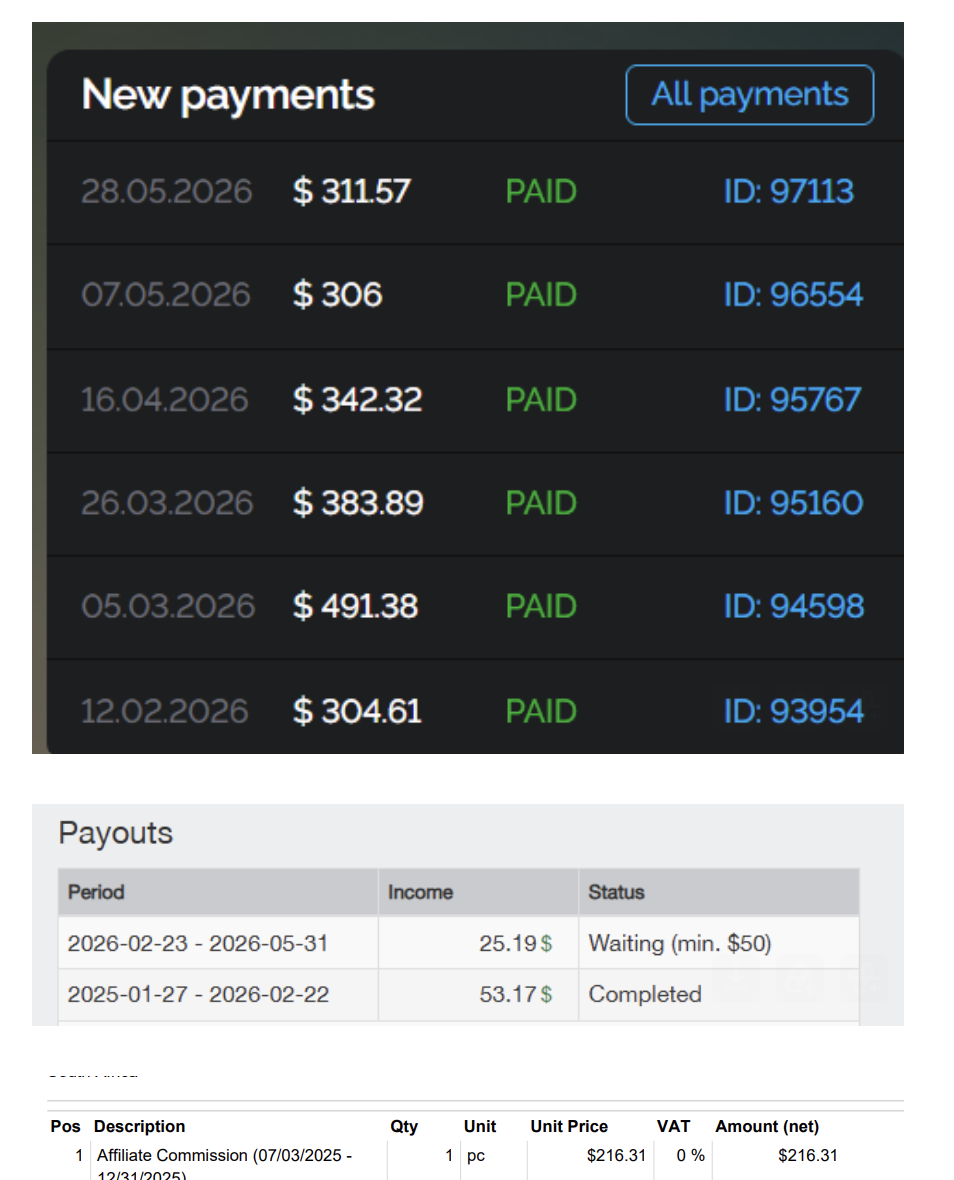
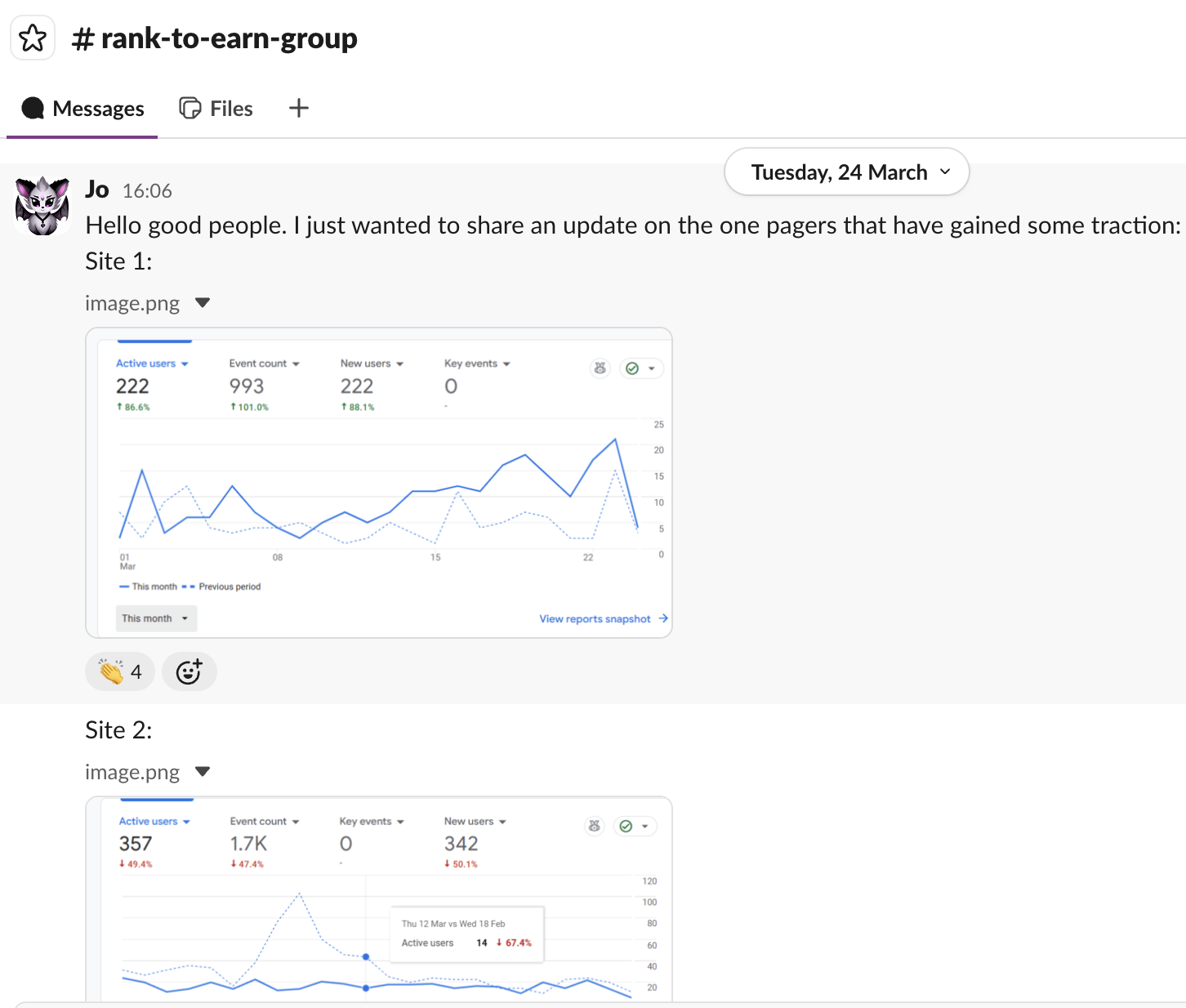
Whitney's results came from consistent work over roughly 8 months. Individual results vary and aren't guaranteed.
This is where I teach the exact business model from this case study: how to build affiliate sites from scratch, run them like a real operation, and scale a portfolio. The same workflow I've used to generate over $1.4 million in affiliate revenue in the last 5 years — recorded in detail, with a community of students running it alongside you.
You'll get the full system — niche selection, site builds, content, links and scaling — a prerecorded group Q&A, lifetime access to the student Slack group for support and accountability, and updates as the strategies evolve.
Enrol in the Full Course →You don't need $60,000 or a global freelance team anymore. You need the right strategy and the right tools. Grab the free Playbook to begin, run a one-pager for a fast first win, or go all-in with the full system.